Pete Ricketts Outraises Dan Osborn in Nebraska Senate Race as Fundraising Battle Intensifies

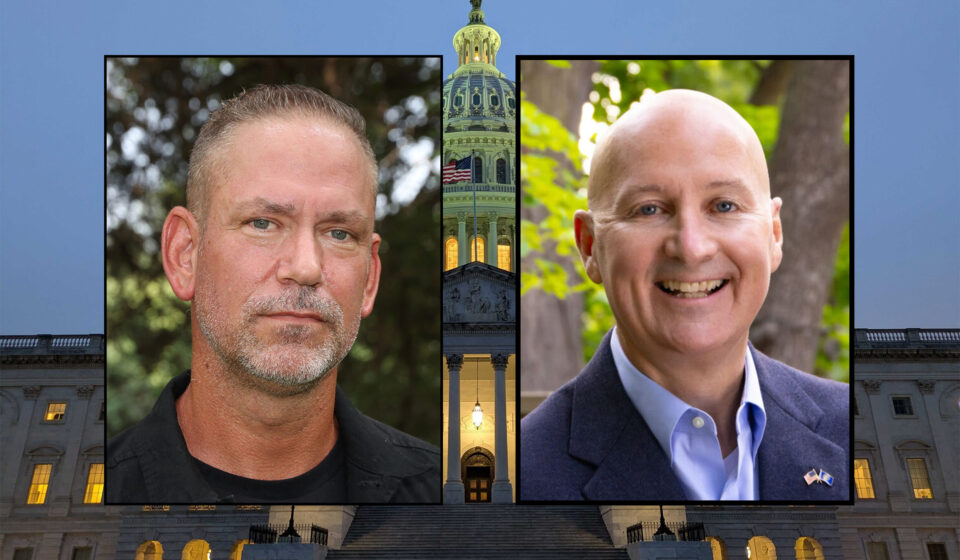
The latest U.S. Senate fundraising reports show incumbent Republican Sen. Pete Ricketts maintaining a significant financial advantage over independent candidate Dan Osborn in Nebraska’s 2026 Senate race. According to a report by Nebraska Examiner, Ricketts raised $6.3 million during the second fundraising quarter, although most of that total came from his own personal contribution. The race highlights how campaign finance strategies can shape competitive elections and offers important lessons for candidates preparing for NYC elections.
What Happened
Federal campaign finance filings covering April through June 2026 show a wide fundraising gap between the two candidates competing for Nebraska’s U.S. Senate seat.
According to the reports:
- Sen. Pete Ricketts raised $6.3 million during the quarter.
- Independent candidate Dan Osborn raised approximately $1.9 million during the same period.
However, the fundraising totals tell a more nuanced story.
Of Ricketts’ $6.3 million total, approximately $5.2 million came from a personal contribution to his own campaign. Excluding that self-funding, the campaign raised roughly $1.1 million from other contributors during the reporting period.
Overall Campaign Finance Picture
Looking at fundraising over the entire election cycle through late July:
- Pete Ricketts
- Raised approximately $11 million
- Holds about $6 million cash on hand
- Dan Osborn
- Raised approximately $5.7 million
- Holds about $2.4 million cash on hand
While Ricketts maintains a substantial financial advantage, Osborn continues to post significant fundraising totals as he seeks to improve on his 2024 Senate performance.
The general election is scheduled for November 3, 2026.
Self-Funding Becomes a Campaign Issue
Osborn has made Ricketts’ personal campaign investment a central part of his campaign messaging.
During a July press conference, Osborn argued that without the $5.2 million self-contribution, his campaign would have outraised Ricketts during the reporting period.
He criticized the incumbent’s reliance on personal wealth, while the Ricketts campaign responded that the senator is investing in his own campaign because he remains accountable to Nebraska voters.
The campaign also criticized Osborn’s donor network, arguing that much of his financial support comes from outside Nebraska.
The exchange reflects a common debate in American elections over the role of self-funded candidates versus grassroots fundraising.
PAC Activity Also Supports the Campaign
The campaign finance filings also show continued activity by organizations supporting Ricketts.
The Ricketts Victory Committee, a joint fundraising committee, raised more than $566,000 during the quarter and transferred approximately $233,000 to Ricketts’ campaign.
Another affiliated organization, American Excellence PAC, reported raising more than $154,000 during the same period.
Joint fundraising committees and political action committees (PACs) frequently support candidates by raising funds for campaign operations and other political activities in compliance with federal election law.
Other Candidates in the Race
The race changed earlier this month when Democratic nominee Cindy Burbank withdrew from the election.
Before leaving the race, Burbank reported:
- Raising $35,415 during the second quarter.
- Holding approximately $20,765 in cash on hand.
Federal election rules allow campaign funds to be transferred to political parties, PACs, charitable organizations, or other eligible purposes.
Meanwhile, Mike Marvin, the Legal Marijuana NOW Party nominee, remains in the race after reporting:
- $18,355 raised during the quarter.
- Approximately $2,615 cash on hand.
Why This Matters for NYC Candidates
Although the Nebraska Senate race is far from New York, it illustrates several campaign finance principles that also apply to NYC elections.
Fundraising reports provide voters with important information about:
- Candidate financial strength
- Sources of campaign support
- Self-funding versus donor fundraising
- Cash available for advertising and voter outreach
- Independent political spending
Candidates running for City Council or other local offices should understand that fundraising reports often become campaign issues themselves, particularly when opponents highlight differences in donor bases or financing strategies.
Understanding modern fundraising techniques is increasingly important for first-time candidates. Our analysis of Bruce Blakeman’s 2026 fundraising strategy examines how financial resources influence campaign planning and voter outreach.
Campaigns are also using technology to improve donor engagement and fundraising efficiency. Learn more in Artificial Intelligence Is Changing Political Campaigns, which explores how AI is transforming campaign operations and digital strategy.
Campaign Finance Lessons
The Nebraska race demonstrates several important lessons for candidates preparing to run for office.
Cash on Hand Matters
Fundraising totals receive attention, but campaigns also closely monitor cash on hand because it reflects the resources available for future advertising, staffing, and voter outreach.
Self-Funding Can Change the Narrative
Candidates who contribute personal funds to their campaigns may quickly strengthen their financial position, but self-funding can also become a focal point in campaign messaging and public debate.
Fundraising Sources Receive Scrutiny
Campaign finance reports reveal where contributions originate, allowing opponents and voters to evaluate whether candidates rely primarily on local supporters, national donors, PACs, or personal wealth.
What Happens Next
With fewer than 100 days remaining before Election Day, both campaigns are expected to intensify fundraising, advertising, and voter outreach.
Future campaign finance reports will provide additional insight into spending patterns, donor activity, and whether either campaign changes its fundraising strategy as the race enters its final months.
Conclusion
The latest fundraising reports underscore how financial resources continue to shape competitive Senate campaigns. While Pete Ricketts maintains a substantial fundraising advantage through significant self-funding, Dan Osborn continues to raise considerable support from individual donors as the race moves toward November.
For candidates preparing for NYC elections, the Nebraska contest highlights the importance of campaign finance planning, transparent fundraising, and effective resource management. Understanding how fundraising influences campaign strategy can help first-time candidates build stronger and more competitive campaigns.
Fundraising determines how much a campaign can spend on advertising, staffing, voter outreach, and other activities needed to compete effectively.
Self-funding occurs when candidates contribute their own money to their campaigns, supplementing or replacing contributions from outside donors.