North Carolina Senate Advances Election Rule Changes Affecting Early Voting and Campaign Finance

The North Carolina Senate has approved a wide-ranging package of election rule changes that would modify early voting, campaign finance transparency, ballot challenges, voter roll maintenance, and post-election audits. According to a report by WRAL News, the legislation passed largely along party lines after extensive debate between Republican and Democratic lawmakers. Although the proposals apply only to North Carolina, they highlight election administration issues that candidates should understand when preparing for NYC elections and campaigns elsewhere.
What Happened
On July 28, 2026, the North Carolina Senate approved amendments to House Bill 958 and House Bill 834, advancing a package of election-related changes.
Because senators modified the House-approved versions, the legislation must return to the North Carolina House for concurrence before being sent to Democratic Gov. Josh Stein for consideration.
The proposals address several areas of election administration, including:
- Early voting schedules
- Campaign finance disclosure rules
- Ballot challenge procedures
- Candidate eligibility after changing political parties
- Election audits
- Voter registration maintenance
Supporters say the legislation strengthens election administration and security, while opponents argue it could make voting more difficult and reduce public transparency.
Key Election Rule Changes
Early Voting Would Be Shortened
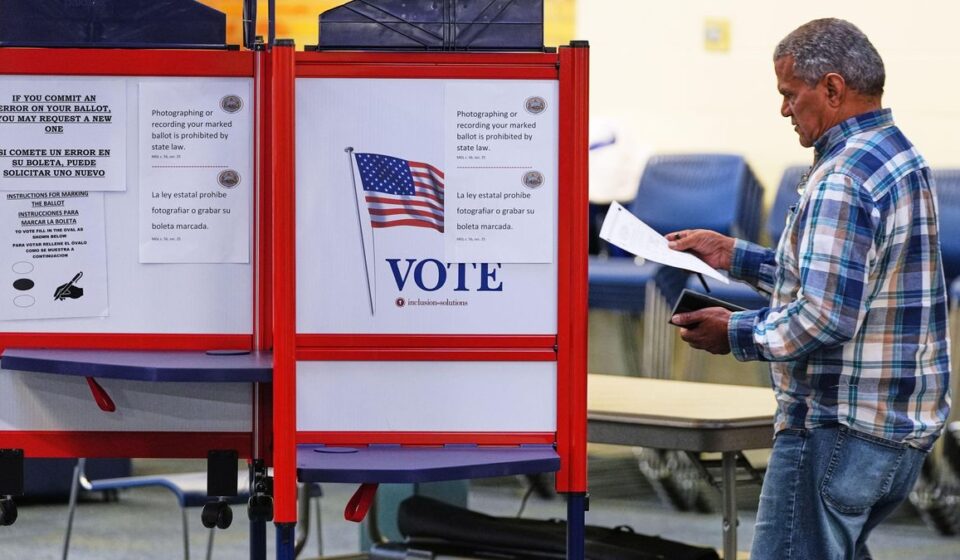
One of the most debated provisions would reduce early voting for primary elections and municipal elections from 17 days to 7 days.
The proposal would not affect general elections.
Republican lawmakers said the change would reduce administrative burdens for county election officials during lower-turnout elections.
Democratic lawmakers argued that shortening the voting period could create longer lines and make voting less convenient during competitive primaries.
Campaign Finance Transparency
The legislation also proposes changes to campaign finance disclosure rules.
Critics argue the revisions would allow more information about campaign funding sources to remain confidential, reducing transparency for voters.
Supporters have framed the broader legislation as an effort to improve election administration and security, while opponents contend the campaign finance provisions reduce public access to information about political spending.
Campaign finance transparency remains a significant issue nationwide because disclosure rules help voters understand who financially supports political campaigns.
Ballot Challenge Rules Would Expand
Another major provision would modify how voters may challenge ballots.
Current North Carolina law already allows eligible individuals to challenge another voter’s eligibility under certain circumstances.
The proposed legislation would:
- Continue requiring challenges to Election Day voters to occur on Election Day.
- Allow challenges to ballots cast during early voting to be filed up to five days after the election.
Republican lawmakers argued the proposal aligns early voting with existing rules governing absentee ballots.
Opponents expressed concern that extending the challenge period could increase attempts to dispute legally cast ballots.
Expanded Election Audit Authority
The legislation would also grant additional authority to the North Carolina State Auditor’s Office to conduct post-election audits.
Supporters said the new authority would improve election oversight and strengthen public confidence.
Critics argued the expanded authority could create opportunities for politically motivated investigations or inconsistent oversight depending on how audit powers are exercised.
The proposal would not authorize the auditor to overturn election results, which remains the responsibility of the State Board of Elections.
Additional Administrative Changes
The legislation includes several other election administration proposals, including:
- Requiring candidates who switch political parties to wait longer before running under their new party affiliation.
- Shortening the deadline for provisional ballot submissions.
- Allowing counties to begin tabulating early votes on Election Day before polls close.
- Giving election officials access to full Social Security numbers for voter record matching if authorized by law.
Officials with the North Carolina State Board of Elections indicated they supported some administrative improvements, including enhanced voter record matching and earlier vote tabulation, while noting that campaign finance disclosure policy remains a matter for lawmakers.
Why This Matters for NYC Candidates
Although the legislation applies only to North Carolina, it illustrates how election administration can directly affect campaign strategy.
Candidates running in NYC elections should understand that election laws influence far more than Election Day itself. Rules governing voter registration, ballot access, early voting, campaign finance, and election audits all shape how campaigns organize their operations.
Prospective candidates should become familiar with:
- Ballot qualification requirements
- Campaign finance reporting
- Early voting procedures
- Voter outreach timelines
- Election law compliance
- Poll watching and ballot challenge rules where applicable
Technology is also changing election administration and campaign operations. Our guide to Artificial Intelligence Is Changing Political Campaigns explains how AI is increasingly used for campaign strategy, voter communication, and data analysis.
Candidates should also understand how election technology intersects with legal compliance. Our coverage of AI political ads and deepfake election regulation examines emerging rules governing AI-generated political content.
Campaign Strategy Lessons
The North Carolina debate offers several broader lessons for first-time candidates.
Election Rules Can Shape Campaign Planning
Changes to early voting periods, filing deadlines, or ballot procedures may require campaigns to adjust voter outreach schedules and field operations.
Campaign Finance Transparency Builds Public Trust
Disclosure requirements vary by jurisdiction, but timely and accurate campaign finance reporting remains an important part of maintaining voter confidence.
Understanding Election Law Is Essential
Successful candidates must understand not only campaign messaging and fundraising but also the legal framework governing elections, including voting procedures and administrative requirements.
What Happens Next
The legislation must return to the North Carolina House because of Senate amendments.
If approved again, the bills will be sent to Gov. Josh Stein, who may sign, veto, or allow them to become law under North Carolina’s legislative process.
The proposals are expected to remain the subject of continued debate as lawmakers consider their potential effects on future elections.
Conclusion
North Carolina’s proposed election rule changes demonstrate how debates over election administration extend well beyond campaign messaging. Questions involving early voting, campaign finance transparency, ballot challenges, and election audits continue to shape state election policy across the country.
For candidates preparing for NYC elections, these developments serve as a reminder that understanding election law is an essential part of building a compliant and effective campaign. Familiarity with voting procedures, finance regulations, and election administration helps candidates navigate campaigns while maintaining public confidence in the electoral process.
The proposals include shorter early voting periods for certain elections, expanded election audits, revised ballot challenge procedures, and changes to campaign finance disclosure rules.
While election laws differ by state, debates over campaign finance, voter access, election administration, and compliance offer valuable lessons for candidates preparing to run for office.