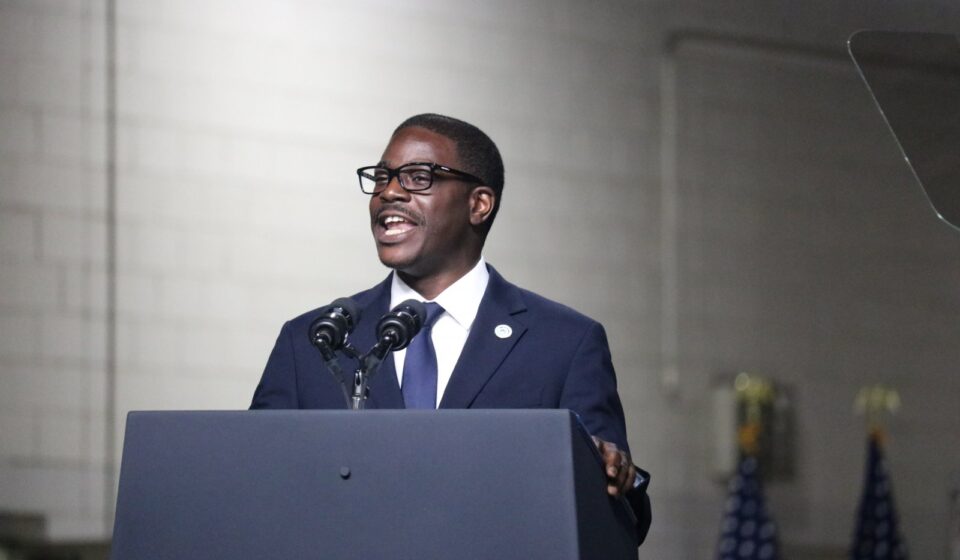

Wisconsin Gov. Tony Evers’ endorsement of David Crowley for governor has reshaped the state’s Democratic primary just weeks before voters head to the polls. According to a report by Urban Milwaukee, Evers abandoned his earlier neutrality to back Milwaukee County Executive David Crowley after Crowley reentered the race following Lt. Gov. Sara Rodriguez’s withdrawal. The endorsement has become one of the defining moments of Wisconsin’s 2026 gubernatorial campaign and offers valuable lessons for candidates preparing for NYC elections about endorsements, party unity, and campaign strategy.
What Happened
Gov. Tony Evers surprised many Wisconsin Democrats by endorsing David Crowley after previously indicating he would remain neutral in the Democratic primary.
Crowley had suspended his gubernatorial campaign earlier in July and endorsed Lt. Gov. Sara Rodriguez. However, Rodriguez withdrew from the race after campaign finance issues emerged, prompting Crowley to relaunch his campaign.
Soon after his return, Evers publicly endorsed Crowley, describing him as the strongest Democratic candidate capable of defeating Republican Rep. Tom Tiffany in the November general election.
Why Evers Backed Crowley
Evers explained that while he initially wanted Democratic candidates to make their case to voters independently, the rapidly changing political landscape led him to intervene.
According to Urban Milwaukee, Evers said Crowley was “the best candidate to beat Tom Tiffany” and praised his leadership experience and ability to appeal to voters across Wisconsin.
Crowley also argued that Democrats needed a nominee who could compete beyond traditional Democratic strongholds and prevent Republicans from influencing the outcome of the Democratic primary through strategic advertising.
A Rapidly Changing Democratic Primary
The endorsement came during an unusually turbulent Democratic primary.
Key developments included:
- David Crowley suspended his campaign in early July.
- Crowley endorsed Lt. Gov. Sara Rodriguez.
- Rodriguez withdrew after campaign finance problems surfaced.
- Crowley reentered the race.
- Gov. Tony Evers immediately endorsed Crowley.
- Labor organizations and several elected officials followed with endorsements.
The Democratic field also includes former Lt. Gov. Mandela Barnes and state Rep. Francesca Hong, creating a competitive primary ahead of the August 11 election.
The Role of Endorsements
Evers’ endorsement carried significant political weight because he is a two-term governor leaving office with relatively strong standing among Democratic voters.
Political observers viewed the endorsement as a signal to:
- Democratic donors.
- Labor unions.
- Local elected officials.
- Undecided Democratic primary voters.
Following Evers’ endorsement, Crowley also received support from multiple labor organizations, including the Wisconsin Laborers’ District Council, the Professional Fire Fighters of Wisconsin, and the IBEW Wisconsin State Conference.
Campaign Strategy and Electability
A central theme of Crowley’s campaign has been electability.
Crowley has argued that Democrats must nominate a candidate capable of winning statewide rather than focusing solely on the primary electorate.
He has emphasized:
- Executive leadership experience.
- Coalition building.
- Appealing to moderate and independent voters.
- Winning support outside Milwaukee and Madison.
Supporters believe these qualities improve Democratic prospects against Republican nominee Tom Tiffany in the general election.
Why This Matters for NYC Candidates
Although this race is taking place in Wisconsin, it provides several valuable lessons for candidates running in NYC elections.
Endorsements are more than symbolic. They can influence fundraising, volunteer recruitment, media attention, and voter confidence.
For first-time candidates, the Wisconsin race demonstrates the importance of:
- Building relationships with respected elected officials.
- Remaining adaptable when political circumstances change.
- Positioning yourself as both a primary and general election candidate.
- Developing a campaign narrative that appeals to a broad coalition.
Candidates can learn more about statewide coalition-building in our analysis of Kathy Hochul’s endorsement strategy in New York.
Campaigns should also understand how modern technology affects voter outreach. Our guide to Artificial Intelligence Is Changing Political Campaigns explains how AI is increasingly being used to improve campaign messaging, voter engagement, and strategic planning.
Campaign Lessons
Endorsements Can Reshape a Race
Support from a popular elected official can quickly change fundraising momentum, media coverage, and voter perceptions.
Campaigns Must Adapt Quickly
Unexpected developments such as candidate withdrawals or campaign finance issues can dramatically alter an election. Successful campaigns remain flexible and prepared to respond.
Electability Remains a Major Issue
Primary voters often weigh policy positions alongside the perceived ability of a candidate to win the general election.
What Happens Next
Wisconsin Democrats will choose their gubernatorial nominee during the August 11 primary.
The winner will face Republican Rep. Tom Tiffany in one of the country’s most closely watched gubernatorial elections.
The outcome will also serve as an important test of whether endorsements from party leaders can unify Democratic voters in a competitive statewide primary.
Conclusion
Gov. Tony Evers’ endorsement of David Crowley has significantly altered Wisconsin’s Democratic gubernatorial race by signaling establishment support behind a candidate viewed as competitive in the general election. The endorsement followed an unusual sequence of campaign withdrawals and reentries, illustrating how quickly political dynamics can change.
For candidates preparing for NYC elections, the Wisconsin primary demonstrates that endorsements, coalition-building, and strategic flexibility can play an essential role in a successful campaign. Understanding when and how influential supporters enter a race can help candidates build stronger organizations and better prepare for both primary and general elections.
Gov. Tony Evers said Crowley was the strongest Democratic candidate to defeat Republican Tom Tiffany in the general election and praised his executive leadership experience.
Evers’ endorsement signaled support from one of Wisconsin’s most prominent Democrats and helped strengthen Crowley’s campaign with donors, labor organizations, and elected officials.