
Mayor Zohran Mamdani and the New York City Council have reached a compromise on a new housing voucher program, resolving one of the most contentious issues in the city’s 2026 budget negotiations. According to a report by NY1, the agreement establishes a new eviction-prevention voucher program while preserving the existing CityFHEPS system and ending the city’s legal challenge against its expansion. The agreement illustrates how budget negotiations, policy priorities, and fiscal responsibility intersect in NYC politics and offers valuable lessons for candidates seeking public office.
What Happened?
The disagreement centered on how New York City should address housing affordability while managing the rapidly growing cost of rental assistance.
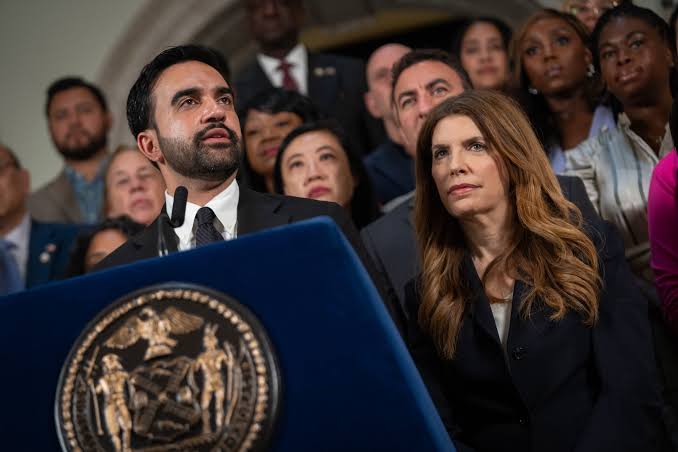
Mayor Mamdani and City Council Speaker Julie Menin ultimately agreed to fund a new housing voucher program designed to assist New Yorkers facing eviction. City leaders say the program introduces additional cost controls intended to make long-term spending more sustainable.
As part of the agreement, Mayor Mamdani also pledged to withdraw the city’s lawsuit challenging the City Council’s expansion of the existing CityFHEPS housing voucher program.
The compromise allowed city leaders to finalize the municipal budget after concerns that disagreements over housing policy could delay its passage.
Why the Housing Voucher Program Became Controversial
Although Mayor Mamdani campaigned in support of expanding housing assistance, his administration argued that unlimited growth in voucher spending could threaten the city’s long-term financial stability.
City Council leaders supported broader access to rental assistance but agreed to create a separate program with spending controls.
Council Speaker Julie Menin described the new initiative as a fiscally responsible approach that expands assistance while allowing the city to better manage future costs.
The debate highlighted the difficult balance between expanding public services and maintaining a sustainable municipal budget.
Key Details of the Budget Agreement
Under the agreement:
- A new housing voucher program will provide assistance to New Yorkers facing eviction.
- Mayor Mamdani will end the city’s lawsuit opposing the Council-backed CityFHEPS expansion.
- The existing CityFHEPS program will remain in place.
- Households receiving assistance through the new program will be subject to eligibility reviews designed to help control long-term spending.
The City Council estimates that approximately 30,000 people could qualify for the new program. City Hall offered a more conservative estimate, projecting approximately 5,600 households, representing about 14,000 New Yorkers.
Rising Costs Continue to Shape the Debate
Housing voucher costs have increased dramatically over the past several years.
According to NY1, CityFHEPS spending grew from approximately $176 million in 2019 to an estimated $1.79 billion in 2026. Current projections suggest costs could reach $3.26 billion annually by 2030 if spending continues to increase.
Fiscal watchdogs argue that while rental assistance helps prevent homelessness, the city must carefully manage program growth to avoid placing additional pressure on future budgets.
Citizens Budget Commission CEO Andrew Rein said the city will still need to actively manage CityFHEPS spending to prevent housing assistance costs from consuming funding that could otherwise support other public programs.
How the Current Dispute Developed
The debate over housing vouchers has unfolded over several years.
During the migrant crisis, New York City’s homeless shelter population increased significantly. In response, the City Council voted to expand eligibility for CityFHEPS beyond individuals already living in shelters to include residents facing eviction.
Former Mayor Eric Adams vetoed those bills, but the Council overrode the vetoes. Adams later declined to implement the legislation, resulting in litigation supported by the City Council.
Although Mayor Mamdani supported the Council’s position during his campaign, his administration initially continued the city’s legal challenge after taking office, citing concerns about the program’s long-term cost.
The new budget agreement resolves that dispute by ending the lawsuit while introducing an additional housing assistance program with new fiscal safeguards.
Why This Matters for NYC Candidates
Housing affordability remains one of the defining issues in NYC elections, making this agreement particularly relevant for anyone planning to run for office.
Several campaign lessons emerge from the negotiations.
Budget Priorities Matter
Candidates are often expected to balance ambitious policy goals with responsible fiscal planning. Voters increasingly evaluate not only proposed programs but also how candidates intend to fund them.
Policy Negotiation Is Part of Governing
Even candidates elected on strong policy platforms frequently negotiate with the City Council, advocacy groups, and budget officials before legislation becomes law. Successful campaigns should prepare voters for both policy goals and the realities of governing.
Housing Remains a Core Campaign Issue
Affordable housing, eviction prevention, homelessness, and city spending continue to shape public debate across New York City. Candidates should understand how housing policies affect different communities throughout the five boroughs.
For more insight into recent political developments, read 2026 New York Legislative Primaries.
Candidates can also explore how shifting political coalitions are influencing local races in How Mamdani Is Influencing NYC Congressional Primaries.
What Happens Next?
The new housing voucher program will become part of New York City’s adopted budget, while City Hall prepares to end its legal challenge over the Council’s CityFHEPS expansion.
Attention will now shift toward implementation, future program costs, and whether the new structure successfully controls spending while preventing more New Yorkers from entering the shelter system.
For future candidates, the agreement demonstrates that major policy debates often require balancing campaign promises, budget realities, and negotiations with other elected officials. Understanding these dynamics is essential for anyone preparing to run for office in New York City.
The program provides rental assistance for eligible New Yorkers facing eviction while introducing new cost controls designed to make long-term spending more sustainable.
The agreement highlights how housing policy, budget negotiations, and fiscal responsibility can influence campaign messaging and governance in New York City.