Mayor Mamdani and City Council Reach FY2027 Budget Agreement. What It Means for NYC Campaign Strategy

Mayor Zohran Mamdani and New York City Council Speaker Julie Menin have reached a handshake agreement on a balanced Fiscal Year 2027 budget, marking one of the administration’s most significant policy milestones since taking office. According to an announcement from the NYC Mayor’s Office, the $125.8 billion budget combines fiscal discipline with investments in housing, public safety, mental health, education, transportation affordability, and public services. For candidates preparing for NYC elections, the agreement demonstrates how campaign priorities are translated into governing through the city’s annual budget process.
What Happened
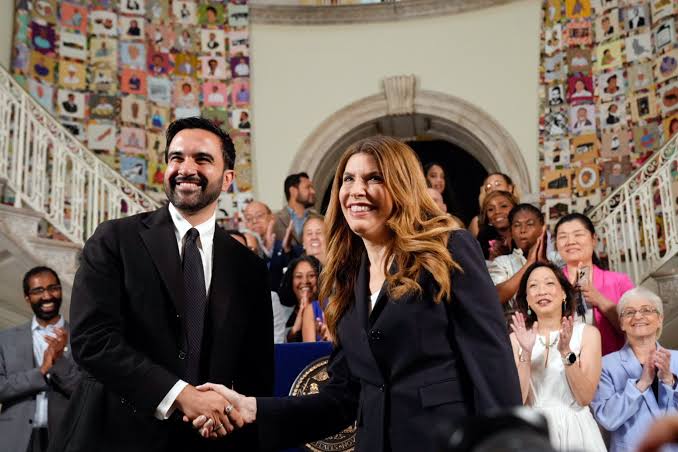
Mayor Mamdani, Speaker Julie Menin, Council Finance Chair Linda Lee, and city budget officials announced a handshake agreement on a balanced Fiscal Year 2027 budget totaling $125.8 billion.
The administration said the agreement restores fiscal stability while expanding investments in affordability initiatives and essential city services. The budget also increases the City’s General Reserve by $350 million, reflecting an emphasis on long-term financial planning alongside new spending priorities.
City officials described the agreement as balancing fiscal responsibility with investments designed to improve quality of life across all five boroughs.
Key Budget Priorities
Housing and Affordability
The budget includes several investments intended to address New York City’s affordability challenges, including:
- Expanded rental assistance programs
- Additional funding for affordable housing preservation
- Continued support for community food programs
- Expanded Fair Fares eligibility for public transportation
- Additional homeowner assistance services for residents at risk of displacement
These initiatives align closely with Mayor Mamdani’s affordability-focused campaign platform.
Health and Public Services
The agreement also increases funding for:
- Mobile mental health treatment programs
- Immigrant legal services
- Civil rights enforcement
- A public online portal containing post-9/11 air quality and health records
The administration said these investments are intended to improve access to public services while strengthening government transparency.
Parks, Libraries, and Higher Education
The budget permanently baselines funding for several programs that previously required annual negotiations, including:
- New York City’s public library systems
- Parks maintenance
- Fair Fares transit assistance
- Cultural organizations
- City University of New York (CUNY) programs
Additional funding also supports student success initiatives, disability services, and neighborhood park improvements.
Fiscal Strategy Behind the Agreement
City Hall stated that the administration inherited significant structural budget challenges, including underbudgeted operating costs from previous years.
Rather than reducing services, the administration said it directed every agency to identify operational savings through newly appointed Chief Savings Officers. According to the Mayor’s Office, those efforts generated approximately $1.77 billion in savings across Fiscal Years 2026 and 2027.
The administration said the balanced budget was achieved through agency savings, additional revenue, and cooperation with New York State.
Why This Matters for NYC Candidates
For anyone planning to run for office in New York City, the city budget is one of the clearest examples of how campaign promises become public policy.
Campaigns frequently emphasize issues such as affordable housing, public transportation, education, parks, and neighborhood services. Once elected, however, candidates must prioritize limited financial resources while balancing competing policy goals.
Understanding the budget process helps candidates:
- Connect campaign promises to realistic funding decisions.
- Explain how policy priorities will be financed.
- Build credibility with voters by presenting achievable proposals.
- Understand how City Hall and the City Council negotiate major legislation.
Strong candidates recognize that governing involves not only setting priorities but also identifying sustainable funding sources.
To better understand how recent political shifts have influenced city policymaking, read How the Mamdani Coalition Is Reshaping NYC Democratic Primaries.
Candidates should also understand how voter participation shapes governing priorities by reviewing NYC Primary Voter Turnout 2026.
Campaign Strategy Lessons
The FY2027 budget highlights several lessons for first-time candidates:
- Successful campaigns often transition signature campaign themes into budget priorities.
- Budget negotiations require collaboration between the executive branch and the City Council.
- Fiscal responsibility and policy expansion are often presented together to build public confidence.
- Long-term governing depends on balancing campaign commitments with financial realities.
Candidates who understand municipal budgeting are often better prepared to discuss policy implementation during debates, interviews, and community forums.
What Happens Next
The handshake agreement represents a major step toward adopting New York City’s Fiscal Year 2027 budget, with final legislative approval following the City’s budget process.
As implementation begins, voters and policymakers will monitor whether the administration’s affordability agenda delivers measurable results across housing, transportation, education, and public services.
For prospective candidates, the agreement illustrates one of the most important realities of governing: campaign messaging may win elections, but effective budgeting determines how those promises become public policy.
The agreement includes investments in affordable housing, rental assistance, mental health services, libraries, parks, CUNY, transportation affordability, and other public services while maintaining a balanced budget.
The city budget determines how campaign promises are funded and implemented, making budget knowledge essential for candidates seeking to present realistic policy proposals.