Albany Ranked Choice Voting Referendum Faces Key Deadline. What NYC Candidates Can Learn

A proposal to bring ranked choice voting to Albany has reached a critical stage as supporters race against legal and procedural deadlines to place a referendum before voters. According to a report by Times Union, Albany officials have not yet introduced the legislation needed to place the measure on the November 2026 ballot, making this year’s referendum increasingly unlikely. Although the proposal concerns Albany, it offers important lessons for NYC elections, where ranked choice voting already plays a central role in many local contests.
What Happened
Advocates with Ranked Choice Voting Albany have been campaigning to replace the city’s partisan primary system with a single ranked choice election held in November.
The proposal would allow voters to rank candidates in order of preference while eliminating separate party primaries for city offices.
Supporters submitted more than 3,000 petition signatures to the Albany Common Council, exceeding the threshold required to have the proposal considered. However, no legislation was introduced during the council’s July 6 meeting, delaying the process.
Why the Referendum Faces a Deadline
Several legal and administrative hurdles have complicated the proposal.
Council Member Jack Flynn, who previously indicated he would introduce the legislation, said additional legal questions emerged after discussions with election officials.
Among the concerns are:
- Whether eliminating partisan primaries is constitutional under New York law.
- The August 3 deadline for finalizing ballot language.
- The requirement that changes to municipal election laws receive review by the New York State Attorney General’s Civil Rights Bureau under the 2022 John R. Lewis Voting Rights Act, a process that takes at least 55 days.
Because legislation has not yet been introduced, completing all required reviews before this year’s ballot deadline now appears unlikely.
Possible Paths Forward
Supporters outlined several possible next steps:
- The Common Council could attempt to approve legislation before the August deadline, though officials acknowledge that timeline is unlikely.
- The proposal could move through the legislative process later this year and appear on the November 2027 ballot instead.
- Advocates could pursue an additional petition process to place the referendum directly before voters in 2027, although that approach has little precedent in Albany.
Meanwhile, opposition from the Albany County Democratic Committee and the Capital District Working Families Party centers on concerns that replacing party primaries would reduce the role political parties play in selecting candidates.
Why This Matters for NYC Candidates
Although New York City already uses ranked choice voting in primary elections for mayor, public advocate, comptroller, borough president, and City Council, Albany’s debate highlights how election systems continue to evolve across New York.
For candidates planning to run for office in New York City, the proposal reinforces several important lessons:
- Election rules can shape campaign strategy as much as policy issues.
- Changes to voting systems often require legislation, legal review, and voter approval.
- Campaigns should understand how election law affects ballot access and voter participation.
- Reform proposals frequently involve lengthy procedural and legal processes before reaching voters.
Candidates who understand these processes are better prepared to explain election reform proposals and respond to voter questions during campaigns.
To learn how ranked choice voting currently operates in New York City, read NYC Primary Results 2026: Incumbents Hold Seats.
You can also explore how voter participation influences election outcomes in NYC Primary Voter Turnout 2026.
Campaign Strategy Lessons
Albany’s proposal offers several broader lessons for first-time candidates:
- Election reforms often require broad public support in addition to legislative approval.
- Petition campaigns can help place election issues before policymakers but do not guarantee ballot access.
- Legal compliance and procedural timelines are essential parts of election administration.
- Understanding voting systems can strengthen campaign messaging when discussing democratic reforms.
Whether candidates support or oppose changes to election rules, familiarity with the process is an important aspect of preparing for public office.
What Happens Next
Unless city officials move significantly faster than expected, Albany’s ranked choice voting proposal is unlikely to reach voters in November 2026.
Supporters may instead pursue a 2027 referendum through the legislative process or an expanded petition campaign.
For prospective NYC candidates, the broader takeaway is that election administration extends well beyond Election Day. Understanding ballot procedures, voting systems, and legal requirements is an essential part of building an informed and effective campaign.
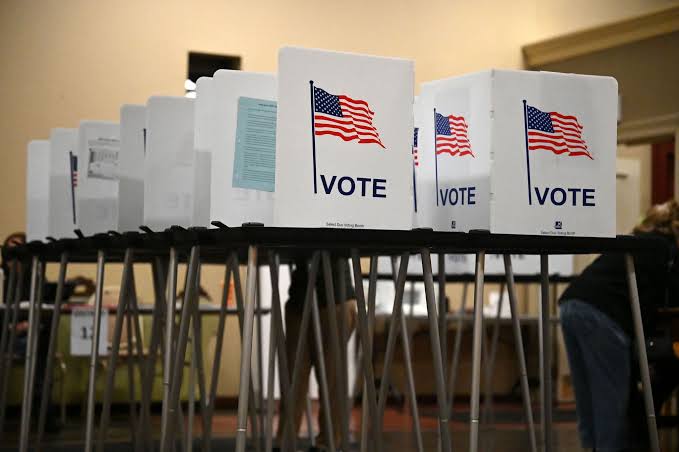
The proposal would replace partisan city primaries with a single November election where voters rank candidates in order of preference.
City officials have not yet introduced the required legislation, and legal review requirements make it difficult to meet the August ballot certification deadline.