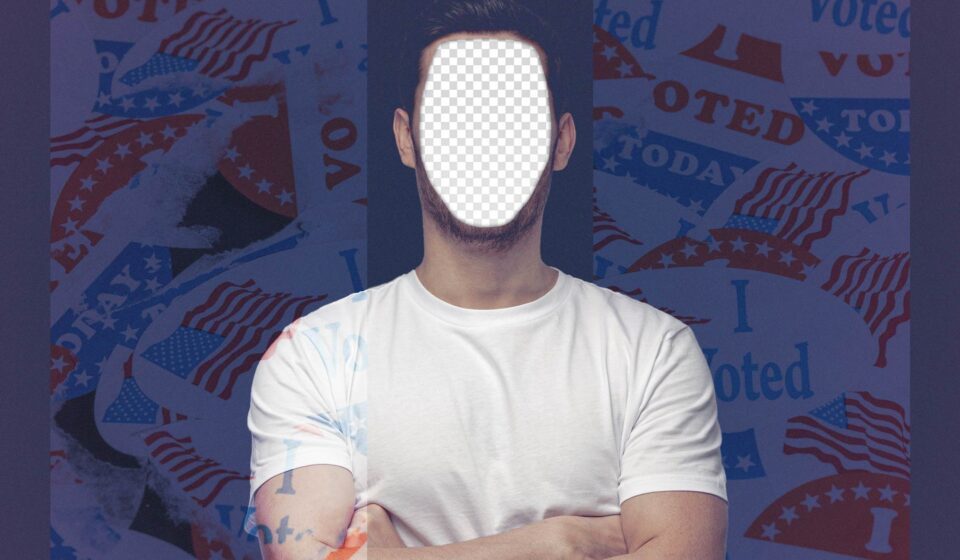

An AI-generated political ad in Missouri is drawing attention to the growing use of artificial intelligence in election campaigns and raising new questions about deepfakes, voter trust, and political advertising. According to a report by First Alert 4, the fully AI-produced advertisement has sparked debate over whether existing election laws are keeping pace with rapidly evolving campaign technology.
What Happened
The controversy centers on the Republican primary for St. Charles County Executive in Missouri.
Candidate Jason Law released a fully AI-generated campaign advertisement targeting fellow candidates Steve Ehlmann and Bill Eigel.
Law said the advertisement was inspired by a viral AI-generated campaign video used by Spencer Pratt during a Los Angeles mayoral campaign. He explained that his own appearance in the advertisement was also created using artificial intelligence.
According to Law, the campaign intentionally used AI to create a humorous and attention-grabbing message rather than producing a traditional attack advertisement. He also said the video generated tens of thousands of views within its first 24 hours.
Candidate Reactions
The advertisement quickly drew criticism from Law’s opponents.
County Executive Steve Ehlmann objected to what he described as inaccurate claims presented in the video and said he hoped voters would not be influenced by the campaign tactic.
Bill Eigel also criticized the advertisement, calling it misleading and suggesting Missouri lawmakers may eventually need to consider regulations governing AI-generated political advertising.
The differing reactions illustrate how campaigns are beginning to confront the opportunities and risks associated with artificial intelligence during elections.
Experts Warn Technology Is Outpacing Election Laws
Dr. Timothy Lewis of Harris-Stowe State University said artificial intelligence has become increasingly common throughout the current election cycle.
He noted that AI-generated campaign content now ranges from animated characters to synthetic voices and digitally generated candidates.
Lewis also observed that there is currently no comprehensive federal law specifically regulating AI-generated political deepfakes involving real people.
While several states have adopted laws requiring disclosures or restricting certain AI-generated political advertisements, Missouri and Illinois had not enacted comparable statewide regulations at the time of the report.
According to Lewis, technological advances have moved faster than election law, placing greater responsibility on voters to evaluate political content critically.
Why AI Deepfakes Matter in Elections
Artificial intelligence allows campaigns to rapidly produce videos, images, voice simulations, and other digital content at lower cost than traditional production methods.
Although AI can improve campaign efficiency and creativity, it also raises concerns about:
- Voter misinformation
- Misleading visual or audio content
- Candidate impersonation
- Public trust in elections
- Transparency in political advertising
As AI tools become more accessible, election officials and lawmakers continue evaluating whether additional safeguards are needed.
Why This Matters for NYC Candidates
The Missouri campaign offers valuable lessons for candidates running in NYC elections, where digital campaigning continues to evolve.
Use AI Responsibly
Artificial intelligence can help campaigns create graphics, videos, advertising, and voter outreach materials more efficiently.
However, candidates should ensure AI-generated content does not mislead voters or create confusion about real events or individuals.
Readers interested in responsible campaign technology can learn more through AI in Politics and NYC Elections.
Transparency Builds Trust
Even where disclosure laws are limited, campaigns benefit from being transparent about how AI is used.
Clear communication helps preserve credibility and strengthens voter confidence in campaign messaging.
Prepare for Emerging Regulations
As AI becomes more common in politics, additional state and federal rules may govern political advertising, disclosure requirements, and synthetic media.
Campaigns should monitor evolving legal standards to remain compliant while adopting new technology.
Candidates can also explore practical digital outreach strategies in AI Political Text Messaging Campaigns.
Campaign Impact
The controversy demonstrates that artificial intelligence is becoming a significant factor in modern political campaigns.
Candidates are experimenting with AI-generated videos and digital communications to increase engagement, while opponents, regulators, and voters continue debating appropriate limits for synthetic political content.
The discussion also reflects broader national conversations about balancing technological innovation with election integrity.
What Happens Next
Missouri’s primary election is scheduled to take place within weeks of the advertisement’s release.
Regardless of the outcome, the debate surrounding AI-generated campaign content is likely to continue as more campaigns adopt artificial intelligence tools and lawmakers consider whether additional regulations are necessary.
Future elections across the country, including in New York, may see expanded use of AI alongside new disclosure requirements or legal standards.
Conclusion
The AI-generated political advertisement in Missouri illustrates how rapidly artificial intelligence is reshaping campaign communications. While AI offers campaigns innovative ways to engage voters, it also raises important questions about transparency, authenticity, and public trust.
For candidates planning to run for office, the case demonstrates that adopting new technology should be accompanied by responsible communication and compliance with evolving election laws. As AI continues to influence political campaigns, balancing innovation with transparency will remain an essential part of successful NYC elections.
Laws vary by jurisdiction. While some states regulate AI-generated political content or require disclosures, there is currently no comprehensive federal law covering all AI political deepfakes.
AI-generated content can make it more difficult for voters to distinguish authentic campaign material from synthetic media, raising concerns about misinformation and election integrity.