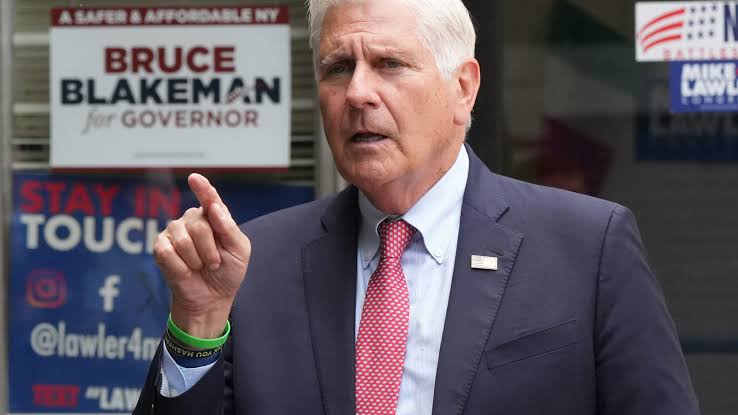

The use of AI-generated campaign ads has become a prominent issue in New York’s 2026 gubernatorial race, raising questions about political speech, voter trust, and the future of digital campaigning. According to a report by ABC7 New York, Republican gubernatorial candidate Bruce Blakeman is defending his campaign’s use of artificial intelligence-generated advertisements targeting Democratic Gov. Kathy Hochul, while Hochul’s campaign argues the ads are misleading. The debate highlights an increasingly important issue for candidates participating in NYC elections and campaigns across the country.
What Happened
Republican gubernatorial candidate and Nassau County Executive Bruce Blakeman is facing criticism over campaign advertisements created using artificial intelligence.
The ads feature AI-generated versions of Gov. Kathy Hochul’s voice and likeness while presenting fictional or satirical political messages.
Blakeman defended the campaign’s approach, describing the advertisements as political satire and arguing that campaigns should use every available communication tool.
“When you’re running a campaign, especially in a state this large, you gotta use every tool in the toolbox,” Blakeman said, according to ABC7 New York.
He also compared the advertisements to political comedy and satire that have long been part of American campaigns.
Hochul Campaign Responds
Gov. Hochul’s campaign strongly criticized the advertisements.
A campaign spokesperson characterized the AI-generated content as misleading and argued that the campaign was relying on fabricated material rather than factual criticism.
The exchange reflects growing concerns about how artificial intelligence can blur the distinction between authentic campaign messaging and synthetic political content.
Although the article describes disagreement over the advertisements, it does not report any legal action or regulatory findings regarding the campaign’s use of AI-generated content.
Legal Questions Around AI Political Advertising
The controversy also raises broader legal questions about political speech.
Political consultant Michael Dawidziak told ABC7 that courts have historically provided broad constitutional protection for political speech, including satire.
While AI technology introduces new communication methods, the legal framework governing political expression continues to evolve as lawmakers and regulators consider whether additional disclosure requirements or restrictions may be appropriate.
Across the United States, legislatures have introduced proposals addressing AI-generated campaign materials, particularly when synthetic audio or video could confuse voters.
Voter Reactions
ABC7 interviewed several voters who expressed differing opinions about the advertisements.
Some respondents said AI-generated political ads could mislead voters by making fictional statements appear authentic.
Others viewed the advertisements as simply another form of campaign communication or political humor.
Several voters emphasized that campaign advertising should remain truthful and authentic regardless of the technology used to produce it.
The differing reactions illustrate the broader public debate surrounding artificial intelligence in elections.
Why This Matters for NYC Candidates
The discussion surrounding AI-generated campaign ads has important implications for candidates running in NYC elections.
Artificial intelligence is rapidly becoming part of campaign operations, helping candidates produce advertisements, social media content, fundraising materials, and voter communications more efficiently.
However, campaigns should also consider:
- Transparency with voters
- Accuracy of campaign messaging
- Ethical use of AI-generated content
- Compliance with applicable election laws
- Maintaining voter trust
Candidates interested in responsible AI adoption can learn more in Artificial Intelligence Is Changing Political Campaigns, which explores practical uses of AI throughout modern campaigns.
Campaigns should also stay informed about the evolving legal landscape surrounding synthetic political media. Our guide to AI political ads and deepfake election regulation examines emerging policies designed to address AI-generated campaign content.
Campaign Strategy Lessons
The controversy highlights several important lessons for first-time candidates.
AI Can Reduce Production Costs
Artificial intelligence allows campaigns to create videos, graphics, and digital advertisements more quickly and at lower cost than many traditional production methods.
Transparency Supports Credibility
Even where AI-generated content is legally permissible, clearly distinguishing satire or synthetic media from authentic communications may help preserve voter confidence.
Technology Does Not Replace Campaign Ethics
Campaigns remain responsible for ensuring their communications are accurate, lawful, and consistent with applicable election regulations.
As AI tools become more sophisticated, campaigns should establish internal review processes for digital content before publication.
What Happens Next
The debate over AI-generated campaign advertising is expected to continue throughout the New York gubernatorial race.
Although courts have historically afforded broad protection to political speech, lawmakers, election officials, and regulators across the country continue to consider whether additional disclosure requirements for AI-generated campaign materials are necessary.
Voters will ultimately evaluate campaign messaging when they cast their ballots in November.
Conclusion
Bruce Blakeman’s defense of AI-generated campaign advertisements illustrates how artificial intelligence is reshaping modern political communication. As campaigns increasingly adopt new technologies, candidates must balance innovation with transparency and public trust.
For candidates preparing for NYC elections, the controversy serves as a reminder that technology can enhance campaign operations, but it also creates new legal, ethical, and strategic considerations. Understanding how AI fits within campaign communication strategies will become increasingly important as digital campaigning continues to evolve.
AI-generated campaign ads use artificial intelligence to create or modify images, audio, video, or written political content for campaign communications.
Supporters view them as innovative campaign tools, while critics argue they can mislead voters if synthetic content is mistaken for authentic statements or events.