
As voters head to the polls in the 2026 NYC primaries, immigration policy has emerged as one of the most discussed issues across several congressional races. According to a report by Documented, candidates across New York City’s congressional districts are presenting competing visions on immigration, affordability, healthcare, and housing as voters prepare to choose nominees for the November midterm elections.
The outcomes of these races could shape not only representation in Congress but also the future direction of immigration policy and progressive politics in New York City.
What Happened
Early voting has begun ahead of the June 23 primary election, with several high profile congressional races attracting significant attention.
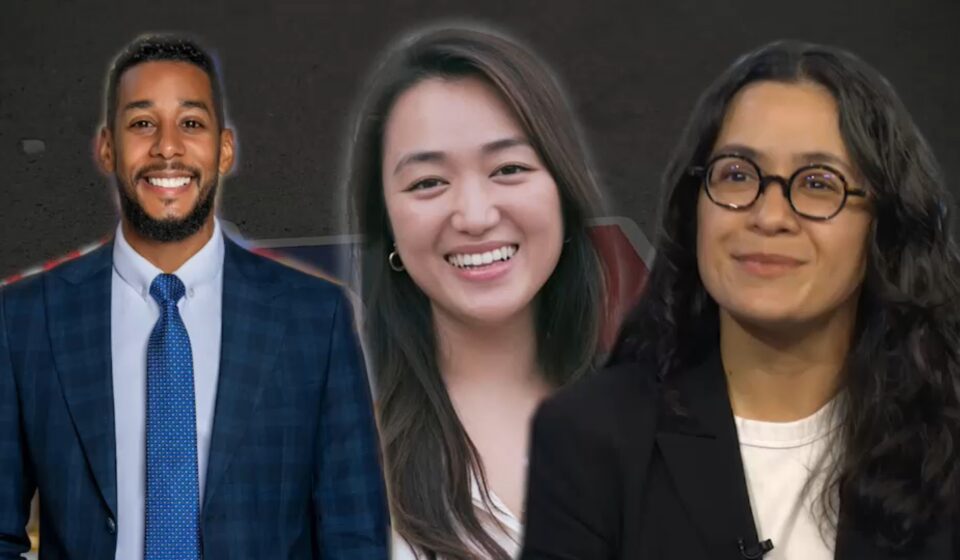
Mayor Zohran Mamdani has endorsed three candidates challenging more established Democrats:
- Brad Lander in New York’s 10th Congressional District
- Claire Valdez in New York’s 7th Congressional District
- Darializa Avila Chevalier in New York’s 13th Congressional District
Political observers view these contests as an important test of whether progressive and democratic socialist candidates can continue expanding their influence within NYC politics.
At the same time, immigration remains a major issue for many voters, particularly in districts with large immigrant communities across Brooklyn, Queens, Manhattan, and the Bronx.
Immigration Policy Emerges as a Defining Issue
While immigration is receiving substantial attention during the campaign season, the policy differences among candidates are often narrower than expected.
Many candidates across multiple districts support major reforms, including:
- Pathways to citizenship
- Expanded protections for immigrant communities
- Support for DREAMers and Temporary Protected Status recipients
- Immigration court reform
- Changes to federal immigration enforcement policies
Several candidates have also called for abolishing or dismantling Immigration and Customs Enforcement (ICE), making immigration one of the few issues where a significant number of candidates share similar positions.
As a result, voters are increasingly evaluating candidates through the broader lens of affordability, housing, healthcare, and quality of life concerns.
Key Congressional Races to Watch
New York’s 7th Congressional District
The open seat created by Representative Nydia Velázquez’s retirement has become one of the most competitive races in New York.
Candidates include:
- Antonio Reynoso
- Claire Valdez
- Julie Won
- Vichal Kumar
- Paperboy Love Prince
Immigration positions are largely aligned around expanding protections for immigrant communities, while candidates differ more significantly on housing, affordability, and economic policy.
New York’s 10th Congressional District
Incumbent Dan Goldman faces a challenge from former New York City Comptroller Brad Lander.
Lander has emphasized immigration reform alongside labor protections, affordable housing, and healthcare expansion.
The race has become a focal point in the debate between progressive and establishment Democratic factions.
New York’s 12th Congressional District
With Representative Jerry Nadler retiring, the race for this open seat has attracted a crowded field that includes:
- Alex Bores
- George Conway
- Laura Dunn
- Micah Lasher
- Jack Schlossberg
- Nina Schwalbe
Several candidates have made immigration reform a central component of their campaigns while pairing it with housing affordability and healthcare proposals.
New York’s 13th Congressional District
Representative Adriano Espaillat faces a challenge from Darializa Avila Chevalier.
The district contains large immigrant communities, making immigration policy especially relevant to voters.
Both candidates support significant immigration reforms, though they present different approaches to broader economic and housing issues.
How Affordability and Immigration Intersect
Documented’s voter survey found that immigration, affordability, healthcare, and housing ranked among the most important concerns for voters heading into the primary election.
For many New Yorkers, immigration policy is not viewed in isolation.
Instead, voters are evaluating how immigration intersects with:
- Housing affordability
- Workforce development
- Healthcare access
- Cost of living
- Community stability
This combination of issues is shaping campaign messaging throughout the city.
Why This Matters for NYC Candidates
The 2026 primary election offers valuable lessons for anyone considering a future run for office in New York City.
Understand Voter Priorities
Candidates who focus on a single issue often struggle to build broad coalitions.
Many successful campaigns connect immigration, housing, healthcare, and economic concerns into a comprehensive message that resonates with local voters.
Build a District Specific Strategy
The issues driving voters in Upper Manhattan may differ significantly from those motivating voters in Queens or Brooklyn.
Strong campaigns rely on district level voter data, community outreach, and neighborhood specific messaging.
Campaign Messaging Matters
Several candidates in competitive races share similar positions on immigration policy.
When policy differences are limited, communication strategy, voter engagement, endorsements, and grassroots organizing become increasingly important.
Ballot Access and Campaign Infrastructure Remain Essential
Regardless of political ideology, candidates must first secure ballot access, comply with campaign finance regulations, and build effective voter outreach operations.
Campaign organization often proves just as important as policy positions.
What Happens Next
Early voting is underway and Primary Election Day is scheduled for June 23.
The results will determine which candidates advance to the November general election and may provide an early indication of how voters view progressive politics, immigration reform, and other major policy debates shaping NYC elections.
Conclusion
The 2026 NYC primaries are about more than selecting congressional nominees. They offer insight into how voters are balancing immigration concerns with affordability, housing, healthcare, and quality of life issues. For future candidates, these races demonstrate the importance of understanding local priorities, developing clear campaign messages, and building strong voter engagement strategies. As NYC elections continue to evolve, candidates who effectively connect policy issues to everyday voter concerns will likely have the strongest path to success.
Several congressional races, including the 7th, 10th, 12th, and 13th districts, feature candidates highlighting immigration reform and immigrant protections.
Many voters view immigration alongside affordability, housing, healthcare, and quality of life concerns, making it a key campaign issue.