Brooklyn Primary Election 2026: Key Races, Voting Information, and What Candidates Should Know

The Brooklyn primary election 2026 is set to be one of the most consequential local elections in recent years, featuring competitive congressional contests, Assembly races, judicial elections, and party leadership positions. According to a report by Brooklyn Paper, early voting begins on June 13 and voters will head to the polls on June 23 to help determine the future political leadership of Brooklyn and New York City.
For voters, the election offers a chance to shape representation at multiple levels of government. For current and future candidates, it provides valuable lessons about voter outreach, district strategy, ballot access, and campaign messaging.
What Happened
The June 2026 primary election features dozens of races across Brooklyn, including congressional, State Senate, State Assembly, judicial, and party committee contests.
Several races have attracted significant attention because of retirements, open seats, and ideological divisions within the Democratic Party.
Many of the highest profile contests involve debates about the future direction of progressive politics in New York City, with endorsements from elected officials, labor unions, and advocacy organizations playing a major role.
Key Congressional Races
New York’s 7th Congressional District
One of the most closely watched races is the contest to replace retiring Representative Nydia Velázquez.
Candidates include:
- Antonio Reynoso
- Claire Valdez
- Julie Won
- Vichal Kumar
The race has drawn attention because of differing endorsements from prominent political leaders. Velázquez endorsed Reynoso, while Mayor Zohran Mamdani endorsed Valdez.
The district includes neighborhoods such as Williamsburg, Bushwick, Fort Greene, Greenpoint, Clinton Hill, Downtown Brooklyn, and portions of Queens.
New York’s 10th Congressional District
Incumbent Representative Dan Goldman faces a challenge from former New York City Comptroller Brad Lander.
The race highlights divisions among Democratic constituencies, with Goldman receiving support from several establishment Democratic leaders while Lander has secured endorsements from progressive organizations and elected officials.
Other Congressional Contests
Additional races include New York’s 9th Congressional District and New York’s 11th Congressional District, both of which will appear on ballots across portions of Brooklyn.
Competitive State Assembly and Senate Races
Several state legislative contests are expected to be highly competitive.
Assembly District 46
Chris McCreight and Joseph Santangelo are competing for the Democratic nomination, with the eventual winner expected to challenge Republican incumbent Alec Brook Krasny in the general election.
Assembly District 56
Incumbent Stefani Zinerman faces challenges from Eon Huntley and Michael Bailey.
Huntley has received support from progressive organizations and local elected officials, making this one of Brooklyn’s most closely watched Assembly races.
Assembly District 59
Jaime Williams faces a challenge from community activist Jibreel Jalloh.
The contest reflects broader debates about representation, neighborhood priorities, and the future direction of local Democratic politics.
Senate District 12
Steven Raga and Aber Kawas are competing for an open State Senate seat that includes parts of Brooklyn and Queens.
Voting Information for Brooklyn Residents
Early Voting
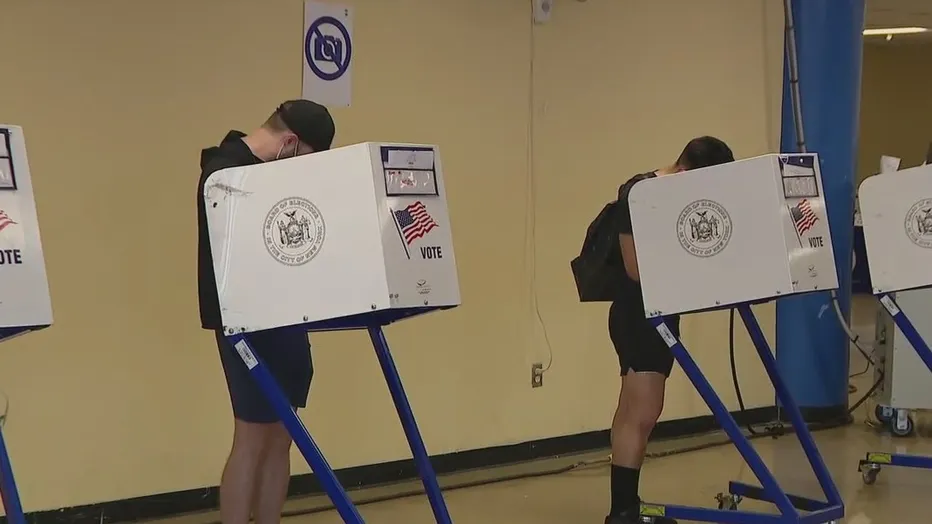
Early voting runs from June 13 through June 21.
Voters should verify their assigned early voting location because it may differ from their Election Day polling site.
Election Day
Primary Election Day is June 23, 2026.
Polls are open from 6:00 a.m. until 9:00 p.m. Voters who are in line when polls close still have the right to cast a ballot.
Voting by Mail
Eligible voters may cast ballots through early mail voting or absentee voting.
Completed ballots must be postmarked no later than June 23 or delivered to an authorized election location before voting concludes.
Why This Matters for NYC Candidates
The Brooklyn primary election 2026 offers several important lessons for anyone interested in running for office in New York City.
Open Seats Create Opportunities
Retirements often create competitive races because there is no incumbent advantage.
Candidates seeking open seats must quickly establish name recognition, build coalitions, and communicate a clear message to voters.
District Strategy Drives Success
Each Brooklyn district contains unique demographics, political priorities, and voting patterns.
Successful campaigns rely on voter data, community engagement, and targeted outreach rather than citywide messaging alone.
Ballot Access Is Essential
Every candidate appearing on the ballot first had to navigate New York’s petition process and election requirements.
Understanding ballot access rules remains one of the most important first steps for any campaign.
Campaign Messaging Matters
Many of this year’s races demonstrate how candidates differentiate themselves through local issues, endorsements, and policy priorities.
Clear and consistent messaging helps campaigns connect with voters in crowded fields.
Candidates considering a future run should also understand campaign finance requirements and voter targeting strategies before launching a campaign.
Beyond Candidate Elections
Brooklyn voters will also select candidates for judicial positions, County Committee seats, State Committee positions, and Judicial Delegate roles.
While these contests often receive less media attention, they play an important role in shaping party governance, judicial nominations, and local political organization.
For aspiring candidates, these positions can provide valuable experience within New York’s political system.
What Happens Next
Early voting continues through June 21, followed by Primary Election Day on June 23.
The outcomes of these races will influence representation in Congress, the State Legislature, and local political organizations while helping shape the future direction of NYC politics.
Conclusion
The Brooklyn primary election 2026 is more than a collection of individual races. It is a reflection of changing political coalitions, voter priorities, and campaign strategies across New York City. For future candidates, the election highlights the importance of ballot access, voter engagement, district strategy, and effective communication. Understanding these fundamentals remains critical for anyone planning to run for office in NYC.
Primary Election Day is June 23, 2026, with early voting taking place from June 13 through June 21.
Major contests include New York’s 7th and 10th Congressional District races, several competitive Assembly elections, and State Senate contests.