
The 2026 NYC primary elections offered more than vote totals. They also highlighted what matters most to voters across Bronx neighborhoods. According to a report by Norwood News, residents who cast ballots on Primary Election Day consistently pointed to housing affordability, public safety, healthcare, cost of living, and community investment as their highest priorities. Their perspectives provide valuable insight for anyone preparing to run in future NYC elections.
What Happened
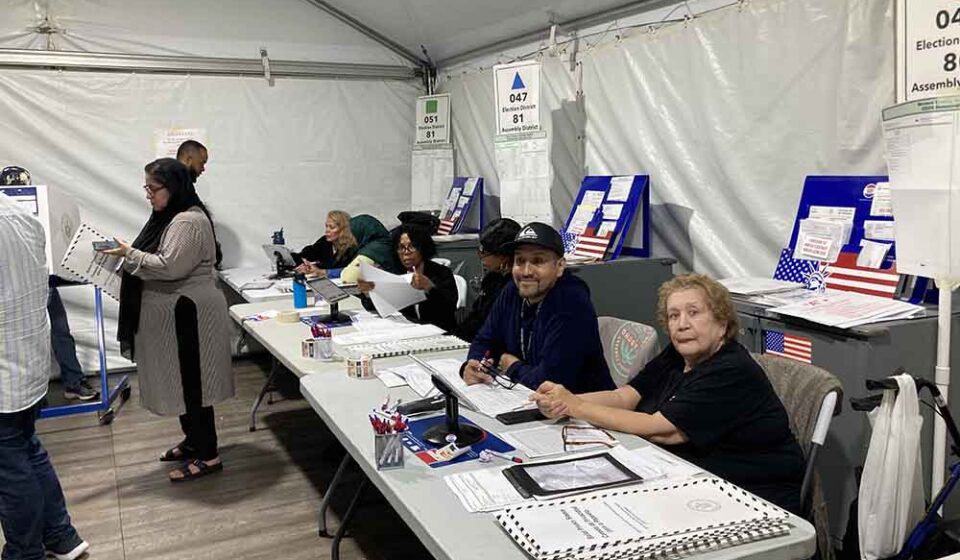
On Primary Election Day, reporters from Norwood News spoke with voters at several polling locations in Bronx Community District 7, including sites near Kingsbridge Heights, Norwood, Bedford Park, and Fordham.
The interviews captured how residents viewed the election, their reasons for voting, and the issues they hoped elected officials would address after the campaign.
Election workers also reported that voting proceeded smoothly at the polling places visited, with ballot scanners functioning properly and accessible polling facilities available for voters.
What Bronx Voters Said Matters Most
Although voters supported different candidates, several common themes emerged throughout the interviews.
Housing Affordability
Multiple voters identified rising housing costs as one of the borough’s most pressing challenges.
Residents expressed concern that increasing rents continue to place financial pressure on working families and make it difficult for longtime Bronx residents to remain in their neighborhoods.
Public Safety
Public safety remained another frequently mentioned issue.
Some voters said they wanted safer streets, while others emphasized that improving community conditions, housing stability, healthcare access, and neighborhood investment could help address the underlying causes of crime.
Cost of Living
Several interviewees pointed to the broader affordability crisis affecting daily life, including transportation, groceries, and household expenses.
For many voters, economic concerns outweighed partisan politics and shaped their decisions at the ballot box.
Community Investment
Access to parks, healthy food, healthcare, and community resources also emerged as recurring priorities.
One physician interviewed emphasized that many long-term health outcomes are closely connected to housing, nutrition, and neighborhood conditions rather than emergency medical care alone.
Another voter highlighted the unequal distribution of resources between parts of the Bronx and other areas of New York City.
Voter Participation and Election Experience
The interviews also reflected generally positive experiences at local polling places.
Several voters praised:
- Efficient ballot scanning equipment.
- Helpful poll workers.
- Accessible voting locations.
- The convenience of New York’s nine-day early voting period, even when they personally chose to vote on Election Day.
One longtime voter noted that primary elections often determine the eventual winner in many New York City districts, making participation especially important.
Another community organizer stressed the importance of encouraging younger residents to vote, arguing that local elections directly influence neighborhood issues.
Why This Matters for NYC Candidates
For candidates planning to run for office in New York City, the interviews offer valuable insight into how voters evaluate campaigns beyond campaign advertising and endorsements.
Several lessons stand out:
- Local issues often outweigh national political debates.
- Voters want candidates who remain engaged with their communities outside election season.
- Affordability, housing, public safety, healthcare, and neighborhood quality of life continue to dominate voter concerns.
- Many voters expect practical solutions rather than broad campaign slogans.
Listening directly to residents can help campaigns develop messaging that reflects the everyday experiences of constituents.
Candidates should also recognize that different neighborhoods within the same borough may prioritize different issues depending on local conditions.
To better understand participation trends across the city, read NYC Primary Voter Turnout 2026.
You can also explore broader election outcomes in NYC Primary Results 2026: Incumbents Hold Seats.
Campaign Strategy Lessons
The Bronx interviews highlight several important lessons for first-time candidates:
- Community listening is as important as campaign messaging.
- Candidates should tailor policy discussions to neighborhood priorities.
- Voters value accessibility, consistency, and visible community engagement.
- Primary elections often receive lower turnout but can determine representation in heavily partisan districts.
Successful campaigns are built not only on policy proposals but also on understanding what motivates local voters to participate.
What Happens Next
The concerns expressed by Bronx voters are likely to remain central topics as elected officials begin new terms and future campaigns take shape.
For prospective candidates, the interviews reinforce an important principle of running for office: effective campaigns begin by listening. Understanding neighborhood priorities, engaging with residents year-round, and developing policies that address local concerns are essential for building trust and earning voter support in NYC elections.
Housing affordability, public safety, cost of living, healthcare, community investment, and neighborhood resources were among the issues most frequently mentioned by voters interviewed on Election Day.
Candidates can strengthen their campaigns by listening to neighborhood concerns, focusing on local issues, maintaining year-round community engagement, and presenting practical policy solutions.