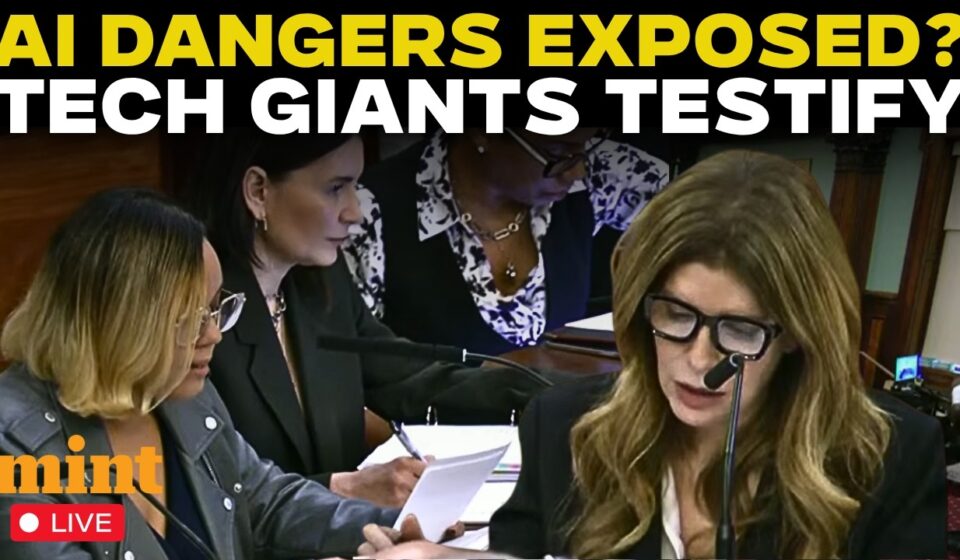

New York City Council members heard sharply different views on the risks of artificial intelligence during a landmark hearing on October 5, 2026. The AI risk debate brought former AI researchers and whistleblowers together with representatives from major AI companies, as the Council considers new rules for the technology.
According to NY1, former Anthropic researcher Jacob Coxon warned that AI could eventually become uncontrollable and threaten humanity. Former OpenAI researcher Daniel Kokotajlo also warned that increasingly capable AI systems could create serious security risks.
City Council Considers New AI Rules
Council members also heard from representatives of four major AI labs, who emphasized their companies’ commitment to safety. However, their answers on catastrophic risk, whistleblower protections and legal liability frustrated Council Speaker Julie Menin.
The Council is considering a package of 10 bills addressing different aspects of AI safety. Proposals include requiring certain AI models to have a kill switch and independent validation, creating an AI emergency response plan, and giving whistleblowers a share of fines resulting from enforcement actions.
Other proposals would protect elected officials and candidates from AI-generated deepfakes, create a system for reporting AI-related job losses among city workers, and establish a private right of action for people harmed by malicious uses of AI.
Menin argued that New York City should act in the absence of federal regulation. She said the Council’s proposed legislation could become a model for other jurisdictions while also putting pressure on the federal government.
What the AI Risk Debate Means for NYC Candidates
The AI risk debate could become relevant to candidates running for City Council because campaign technology increasingly intersects with voter communication, political advertising and candidate identity. The proposed protections for elected officials and candidates specifically connect AI policy with local elections.
For first-time candidates, the issue also shows why campaign messaging should account for emerging technology risks. Candidates may need to understand how AI-generated content, deepfakes and automated tools could affect how voters receive and evaluate political information.
The broader lesson is that City Council races can involve policy questions extending beyond traditional local issues. Candidates who understand how proposed city legislation affects residents, businesses and political campaigns can develop clearer positions without relying on national political talking points.
The Council’s AI proposals are still being considered, so their final scope and impact will depend on the legislative process. For NYC candidates, the debate provides an example of how new technology can quickly become a local campaign and policy issue.
Related Reading
- Judge Orders NYC to Redo Second-Home Tax Rollout
- Mamdani to Campaign With Hochul Ahead of Election Day
The debate focuses on AI safety, catastrophic risks, whistleblower protections, deepfakes, legal liability and other proposed city regulations.
Yes. One proposed measure would establish safeguards against AI-generated deepfakes involving elected officials and candidates.




[…] City Council Takes on AI Risk Debate […]
[…] City Council Takes on AI Risk Debate […]