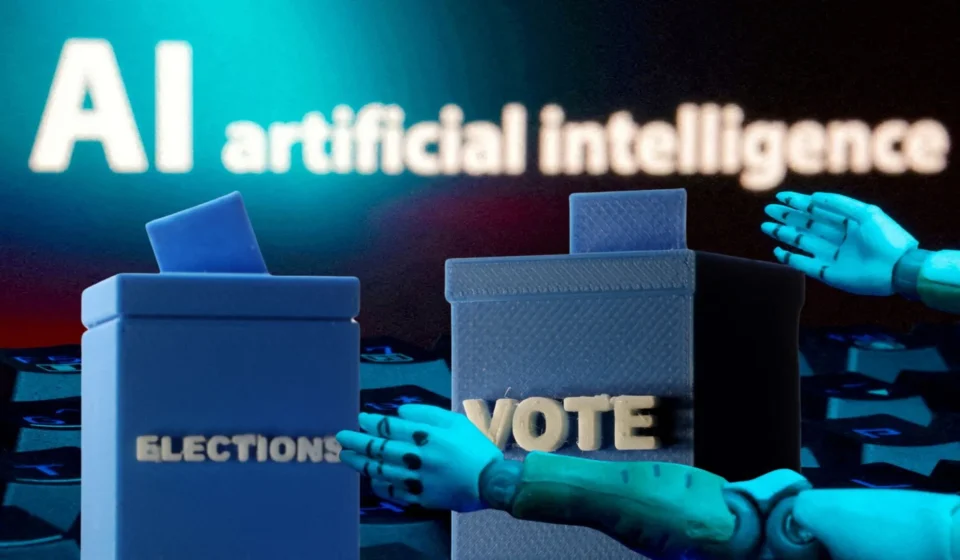

Artificial intelligence is becoming increasingly integrated into politics, government, and everyday life, influencing everything from public services to political campaigns. According to a report by NY1, experts say AI is rapidly expanding across multiple sectors as policymakers, businesses, and political campaigns adapt to new technologies while weighing concerns about regulation, transparency, and public trust.
For candidates preparing to run in NYC elections, understanding how AI is changing campaign operations and government is becoming an increasingly important part of modern political strategy.
What Happened?
NY1’s Inside City Hall examined the growing role of artificial intelligence through an interview with Veronica Irwin, senior AI policy reporter at the technology publication Transformer.
The discussion explored how AI is becoming more common in:
- Political campaigns
- Government operations
- Business and workplaces
- Public communication
- Everyday consumer applications
The interview also highlighted several recent developments demonstrating AI’s growing influence, including the release of a new ChatGPT model, Anthropic’s expansion in New York City, and public discussion surrounding AI-generated political advertisements used during the 2026 election cycle.
AI Is Becoming a Bigger Part of Politics
Artificial intelligence is increasingly being used throughout the political process.
Campaigns are exploring AI for tasks such as:
- Drafting campaign materials
- Research assistance
- Voter communication
- Data analysis
- Content production
At the same time, AI-generated political advertisements and synthetic media have raised new questions about transparency, misinformation, and disclosure.
The NY1 discussion noted that AI is no longer a future technology but an active part of today’s political environment.
AI’s Impact Extends Beyond Campaigns
The conversation also emphasized that AI’s influence reaches well beyond elections.
Organizations are increasingly adopting AI to improve productivity, automate repetitive work, and support decision-making across industries.
Meanwhile, major AI companies continue expanding their presence in New York City, reflecting the city’s growing role as a technology and innovation hub.
Balancing Innovation and Oversight
As AI adoption accelerates, policymakers continue debating how best to regulate the technology.
Public discussions increasingly focus on issues including:
- Transparency
- Accuracy
- Consumer protection
- Privacy
- Election integrity
- Responsible AI governance
Experts interviewed by NY1 noted that these conversations are likely to continue as AI becomes more deeply integrated into public life and political institutions.
Why This Matters for NYC Candidates
For anyone planning to run in NYC elections, artificial intelligence presents both opportunities and responsibilities.
Campaigns may use AI to improve efficiency by:
- Organizing campaign research.
- Drafting communications.
- Analyzing public information.
- Supporting volunteer coordination.
- Streamlining administrative work.
However, candidates should also ensure that AI tools are used responsibly. Human review remains essential, particularly for public statements, policy positions, and voter communications where accuracy and accountability are critical.
As public awareness of AI grows, voters may increasingly expect campaigns to explain how they use emerging technologies.
To learn more about AI’s role in political strategy, read AI Campaign Strategy Gains Momentum in U.S. Governor’s Race. You can also explore Kickstarter Demonstrates the Power of Belief in AI Campaign Strategy for additional perspectives on how AI is influencing modern campaigns.
Lessons for First-Time Candidates
Artificial intelligence should be viewed as a tool that supports campaign operations rather than replaces campaign leadership.
Candidates can benefit by using AI to improve productivity while continuing to prioritize:
- Authentic voter engagement.
- Accurate information.
- Clear campaign messaging.
- Ethical communication practices.
- Compliance with election laws and platform policies.
Campaigns that combine technology with transparency and human judgment are more likely to build lasting voter trust.
Looking Ahead
Artificial intelligence is expected to continue influencing politics, government, and everyday life as new tools become available and organizations expand their use of the technology.
For candidates considering a run for office in New York City, staying informed about AI developments will be increasingly valuable—not only for campaign operations but also for understanding the policy debates surrounding technology, regulation, and public service delivery.
Campaigns increasingly use AI for research, drafting communications, data analysis, content creation, and administrative tasks, while human oversight remains essential for public-facing materials.
AI is becoming more common in campaigns and government operations, making it important for candidates to understand both its benefits and the ethical considerations surrounding transparency and voter trust.