AI Campaign Strategy Enters the Spotlight in Illinois Governor’s Race. Lessons for NYC Candidates

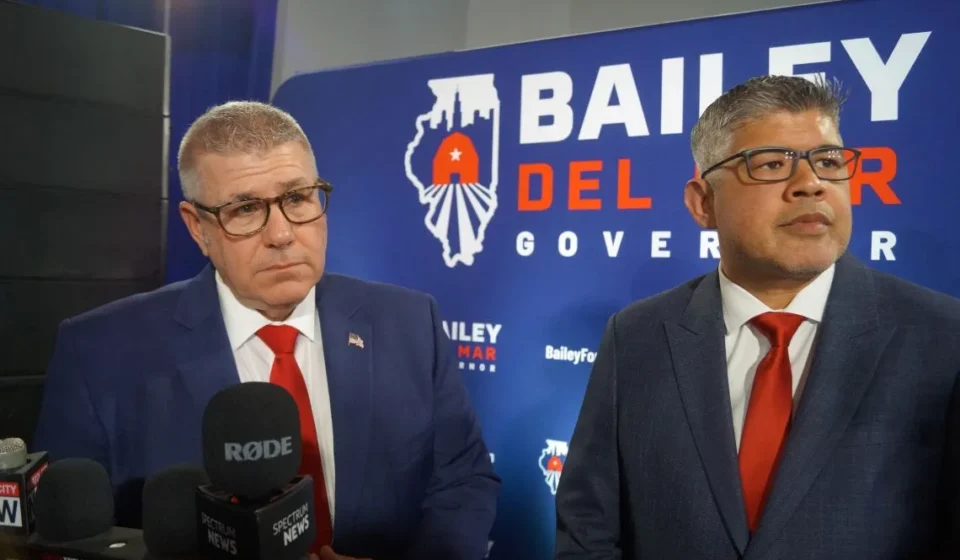
Artificial intelligence is becoming a more visible part of modern campaign strategy, with Illinois Republican gubernatorial candidate Darren Bailey making AI generated images and videos a central feature of his 2026 campaign. According to a report by Capitol News Illinois, the campaign believes AI generated content helps increase social media engagement while reducing production costs. Although the race is taking place in Illinois, the debate has important implications for candidates preparing to run in NYC elections, where digital communication, campaign messaging, and voter outreach continue to evolve.
What Happened
Darren Bailey’s campaign has embraced AI generated visuals across its social media platforms during his second campaign for Illinois governor.
Campaign posts have included fictional and stylized depictions of incumbent Governor JB Pritzker, including digitally created images and animated videos designed to attract attention online. Bailey’s running mate, Aaron Del Mar, said the campaign has seen significantly higher engagement from AI generated posts compared with traditional static graphics.
The campaign also argues that AI tools lower production costs, allowing campaigns with fewer financial resources to create visual content more efficiently. Bailey’s campaign relies largely on small dollar donations, while Governor Pritzker has personally invested tens of millions of dollars into previous statewide campaigns.
Different Campaign Approaches to AI
The discussion extends beyond creative marketing.
Governor Pritzker’s campaign told Capitol News Illinois that it has an internal policy against using AI generated images or videos in public facing campaign content.
Despite their differing campaign strategies, representatives from both campaigns expressed support for clearer rules requiring disclosure when artificial intelligence is used in political advertising. Illinois lawmakers have also discussed the need for additional transparency as AI becomes more common during elections.
Why AI Campaign Strategy Matters
Artificial intelligence is increasingly being used for campaign operations, including:
- Social media graphics and videos
- Content creation
- Digital advertising
- Message testing
- Volunteer communications
- Voter engagement
While these tools can improve campaign efficiency, they also raise questions about transparency, authenticity, and voter trust. Many election experts expect states to continue developing regulations governing AI generated political content as the technology becomes more widespread.
What This Means for NYC Candidates
For individuals planning to run for office in New York City, AI should be viewed as a campaign tool rather than a replacement for authentic voter engagement.
Successful campaigns still depend on:
- Clear campaign messaging
- Strong district level organizing
- Direct voter outreach
- Compliance with campaign finance rules
- Transparent communications
Candidates considering AI generated campaign materials should also stay informed about evolving legal requirements and disclosure standards.
Campaign technology can improve efficiency, but credibility remains one of the most valuable assets in local elections.
For additional guidance on responsible AI use in political campaigns, see AI Campaign Spending in 2026 Elections.
Candidates should also understand how voter participation shapes campaign strategy by reviewing NYC Primary Voter Turnout 2026.
Looking Ahead
The Illinois governor’s race illustrates how artificial intelligence is becoming part of modern political campaigning. Whether campaigns choose to embrace AI or limit its use, debates over transparency, disclosure, and ethical standards are likely to continue as election technology evolves.
For prospective NYC candidates, the broader lesson is that digital innovation should support, rather than replace, effective campaign strategy, meaningful voter outreach, and public trust.
Campaigns increasingly use AI to create graphics, videos, social media content, and other digital materials while reducing production costs and increasing engagement.
Yes, but candidates should follow applicable election laws, remain transparent about AI generated content when required, and prioritize authentic communication with voters.