Kickstarter’s ‘Power of Belief’ Campaign Brings AI Debate to NYC. Lessons for Political Campaigns

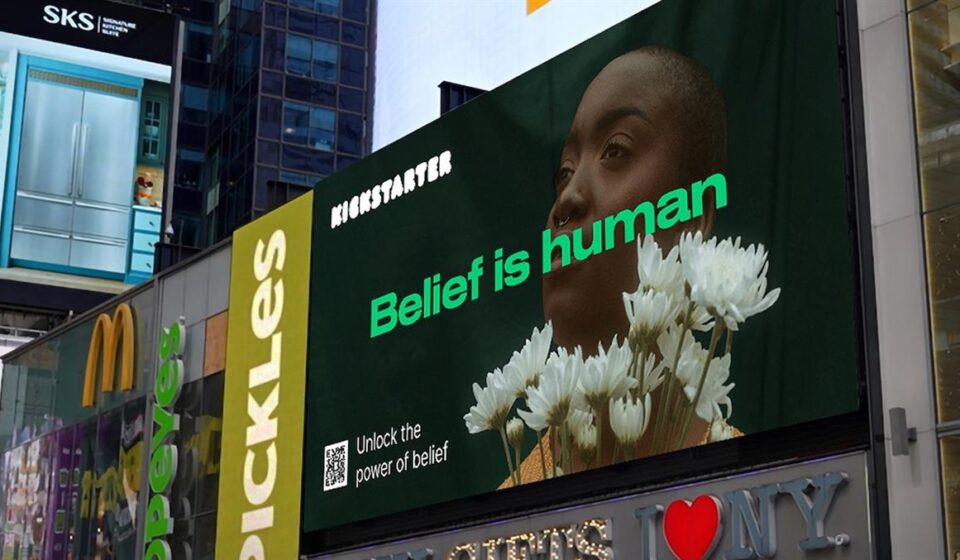
Kickstarter has launched a new brand campaign encouraging people to invest in creativity and human ideas rather than artificial intelligence generated content. According to a report by Campaign US, the monthlong Power of Belief campaign will include a high-profile New York City activation that symbolically promotes creators over AI powered “belief bots.” While the campaign is commercial rather than political, it reflects a growing conversation about authenticity, technology, and trust that is increasingly relevant to NYC elections and modern campaign strategy.
What Happened
Kickstarter’s new Power of Belief campaign celebrates independent creators and encourages people to support original ideas through crowdfunding.
As part of the campaign, the company plans a prominent activation in New York City featuring giant inflatable “belief bots” designed to symbolize human creativity and optimism instead of algorithm-driven content. The campaign positions Kickstarter as a platform that empowers creators to bring ideas to life through community support rather than relying solely on artificial intelligence.
The initiative arrives as AI tools continue to reshape creative industries, marketing, advertising, and digital communications across the United States.
Why the AI Conversation Matters Beyond Marketing
Although Kickstarter’s campaign is aimed at creators and entrepreneurs, it touches on broader questions that are also influencing politics.
Political campaigns increasingly use AI for content creation, data analysis, voter outreach, and digital advertising. At the same time, concerns continue to grow about authenticity, misinformation, and whether voters can distinguish between human generated and AI generated communications.
Rather than rejecting technology entirely, Kickstarter’s campaign emphasizes that human judgment, creativity, and belief remain central to building trust.
Why This Matters for NYC Candidates
For candidates running in NYC elections, the campaign highlights an important strategic lesson.
Artificial intelligence can improve campaign efficiency by helping teams organize voter data, generate draft content, and streamline communications. However, successful campaigns still depend on authentic leadership, clear policy positions, and meaningful engagement with voters.
First-time candidates should view AI as a supporting tool rather than a substitute for genuine campaign messaging. Voters often respond more positively to communications that reflect a candidate’s own voice and local understanding of community issues.
Candidates should also remain aware of evolving discussions surrounding transparency and responsible AI use in political communications.
For more information about responsible technology in campaigns, read AI Campaign Spending in 2026 Elections.
Understanding how voters respond to campaign communication is equally important. Learn more in NYC Primary Voter Turnout 2026.
Campaign Strategy Lessons
Kickstarter’s campaign offers several broader lessons that extend beyond the creative industry:
- Authentic storytelling remains a competitive advantage.
- Technology should strengthen, not replace, personal communication.
- Trust continues to be one of the most valuable assets for organizations and political candidates.
- Human-centered messaging often differentiates campaigns in crowded digital environments.
These principles are increasingly relevant as political campaigns incorporate AI into fundraising, voter outreach, content production, and district strategy.
What Happens Next
Kickstarter’s New York City activation demonstrates how conversations about artificial intelligence are expanding beyond the technology sector into marketing, communications, and public engagement.
For prospective candidates preparing to run for office in New York City, the larger takeaway is that technology can enhance campaign operations, but lasting political success still depends on authentic leadership, credible messaging, and building trust with voters.
It is a branding campaign that promotes independent creators, human creativity, and community backed ideas while emphasizing belief over AI generated content.
The campaign highlights the importance of balancing AI tools with authentic communication, trusted leadership, and transparent voter engagement.