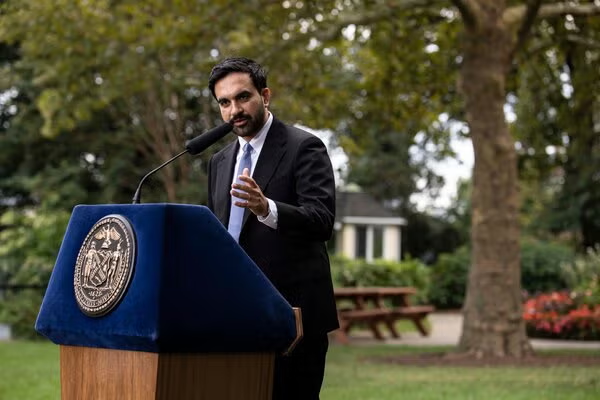

Mayor Zohran Mamdani is backing a new consumer protection proposal that would give New Yorkers broader legal options to challenge unfair business practices. The POWER Act is expected to be introduced in the New York City Council on October 8, 2026, with Council Member Harvey Epstein sponsoring the legislation.
According to the NYC Mayor’s Office, the People and Organizations Winning Economic Relief Act would create a municipal private right of action, allowing consumers, workers, tenants, small businesses and nonprofits to sue companies over certain unfair or abusive practices.
POWER Act Would Change How New Yorkers Challenge Businesses
The proposed law would expand the types of conduct that individuals could challenge in court. Under current New York consumer protection laws, individuals can generally sue over deceptive practices, while the POWER Act would extend that ability to certain unfair, abusive and unlawful practices.
The legislation could affect several groups. Tenant unions could bring claims involving landlords, taxi drivers could challenge certain financing practices, and consumers affected by predatory for-profit schools could seek relief related to loans. Nonprofits could also bring claims on behalf of themselves, their members and the public.
The proposal is part of a broader consumer protection package. Mamdani’s administration also plans to introduce a Truth in Pricing Act that would simplify price display rules, along with an amendment allowing the Department of Consumer and Worker Protection to act against unconscionable business practices without first completing a lengthy rulemaking process.
The package has drawn concerns from business advocates. The Manhattan Chamber of Commerce said it supports simpler pricing rules but wants to examine whether the broader private right of action could expose small businesses to increased litigation and legal costs.
What the POWER Act Shows NYC Candidates About Policy Messaging
The proposal offers a useful example for candidates running for office in NYC: policy messaging becomes stronger when candidates clearly explain who would be affected and how a proposed change would work.
For City Council candidates, consumer protection can connect directly to district-level concerns involving tenants, workers, consumers and small businesses. A candidate developing a platform should distinguish between broad campaign promises and specific policy mechanisms, such as changing enforcement authority or creating a private right of action.
The POWER Act also shows why candidates need to understand the responsibilities of the office they seek. City Council campaigns often involve explaining how local legislation can change rules, enforcement and access to legal remedies.
For first-time candidates, the proposal demonstrates how a single policy can create different messages for different voter groups. Effective campaign communication requires identifying those groups while accurately explaining what the proposed legislation would actually change.
The POWER Act now moves toward the City Council, making the legislative process itself an important part of the story for candidates and voters following NYC politics.
Related Reading
The POWER Act is proposed NYC legislation that would create a private right of action for certain unfair, abusive and unlawful business practices.
The proposal could give consumers, workers, tenants, small businesses and nonprofits broader legal options to challenge certain business practices.



[…] Mamdani’s POWER Act Would Expand NYC Consumer Protections […]
[…] Mamdani’s POWER Act Would Expand NYC Consumer Protections […]