
The 2026 New York state legislative primaries are shaping up to be some of the most competitive races in recent memory, with open seats, incumbent challenges, and ideological battles unfolding across New York City and the state. According to a report by City & State New York, a combination of retirements, lawmakers seeking higher office, and upcoming restrictions on outside income for legislators has created an unusually large number of contested races ahead of the June 23 primary election.
For candidates, campaign professionals, and political observers, these contests offer valuable insight into the evolving dynamics of NYC elections, voter behavior, and district-level campaign strategy.
What Happened
New York’s 2026 legislative primaries feature an extraordinary level of turnover.
Multiple incumbent lawmakers are retiring, pursuing other offices, or leaving public service altogether. As a result, open-seat contests and competitive primaries have emerged throughout New York City and across the state.
Many of the highest-profile races involve tensions between Democratic establishment candidates and challengers supported by progressive organizations, including the Democratic Socialists of America (DSA), the Working Families Party, and labor-backed coalitions.
At the same time, affordability, housing, labor rights, public safety, and economic inequality have become recurring themes across many districts.
Key Legislative Races to Watch
Queens Senate District 12
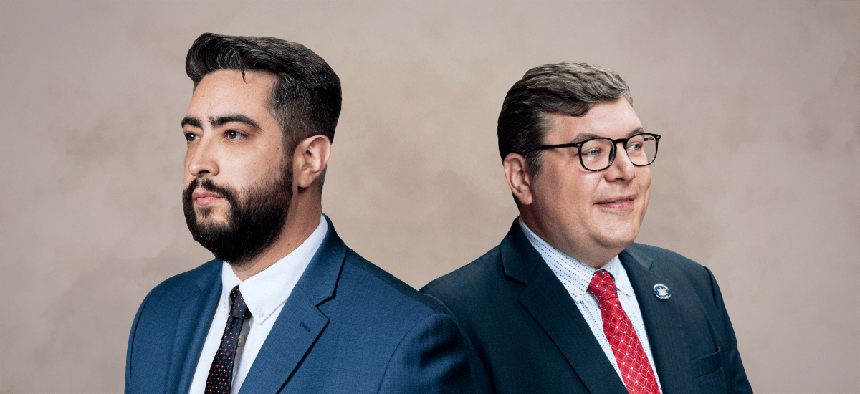
One of the most closely watched races features Aber Kawas and Assembly Member Steven Raga competing to replace retiring State Senator Michael Gianaris.
The contest is notable because both candidates have connections to progressive politics, yet represent different factions within New York’s left-leaning political movement.
Mayor Zohran Mamdani has endorsed Kawas, while Raga has secured support from influential unions and local elected officials.
Queens Senate District 13
Incumbent Senator Jessica Ramos faces challenges from Assembly Member Jessica González-Rojas and former Senator Hiram Monserrate.
The race has become a major test of progressive influence following Ramos’ decision to endorse Andrew Cuomo during the New York City mayoral race, a move that generated backlash among some progressive activists and organizations.
Brooklyn Senate District 25
State Senator Jabari Brisport, one of the most prominent DSA-aligned legislators in Albany, is defending his seat against challenger Marlon Rice.
The contest reflects ongoing debates about the role of democratic socialism in local politics and the future direction of Democratic leadership in Brooklyn.
Open Assembly Seats Across NYC
Several Assembly districts are attracting significant attention due to retiring incumbents.
Notable open-seat races include:
- Assembly District 32 in Southeast Queens
- Assembly District 65 in Lower Manhattan
- Assembly District 66 in Lower Manhattan and Greenwich Village
- Assembly District 69 on Manhattan’s Upper West Side
These races have attracted candidates backed by political clubs, labor unions, progressive organizations, and local party establishments.
Political Themes Defining the Primaries
Progressive vs. Establishment Democrats
A recurring theme throughout the election cycle is the competition between progressive candidates and more traditional Democratic organizations.
Several races feature endorsements from groups such as NYC-DSA, the Working Families Party, labor unions, and influential elected officials.
Affordability and Cost of Living
Candidates across ideological lines are emphasizing affordability issues, including housing costs, wages, transportation expenses, and economic opportunity.
These concerns continue to resonate strongly with voters across New York City.
Open Seats Create Opportunities
With numerous retirements and office transitions occurring simultaneously, many districts are electing new representatives for the first time in years.
Open-seat elections often generate higher candidate participation and create opportunities for emerging political leaders.
Why This Matters for NYC Candidates
The 2026 legislative primaries provide a practical roadmap for individuals considering running for office in New York City.
District Strategy Is Critical
Many of the featured races demonstrate how successful candidates tailor their messaging to local priorities rather than relying solely on citywide political narratives.
Understanding neighborhood concerns, voter demographics, and turnout history remains essential for campaign success.
Endorsements Matter But Organization Matters More
Candidates across New York have secured endorsements from major political organizations, unions, and elected officials.
However, endorsements alone do not guarantee victory. Ground operations, voter contact programs, and community relationships continue to play a decisive role.
Campaign Finance and Matching Funds Shape Competition
Many candidates in competitive districts rely on public matching funds and grassroots fundraising to compete against well-established opponents.
Understanding campaign finance regulations and fundraising strategy remains a core component of modern campaign management.
Ballot Access Remains the Foundation
Before campaigns can compete for votes, candidates must successfully navigate petition requirements and ballot access rules.
Many first-time candidates underestimate the importance of building an organized operation early enough to secure a place on the ballot.
Prospective candidates should become familiar with ballot access requirements and district-level voter targeting strategies before launching a campaign.
What Happens Next
Primary Election Day is June 23, 2026.
The outcomes of these races will help determine the future makeup of the New York State Legislature and provide an early indication of the political coalitions that may shape New York politics in the coming years.
Several contests are expected to be decided by relatively narrow margins, making voter turnout and field operations particularly important.
Conclusion
The 2026 New York state legislative primaries represent a significant transition period for New York politics. With numerous open seats, ideological battles, and competitive races, candidates across the state are testing new campaign strategies and voter outreach approaches. For aspiring officeholders, these elections offer valuable lessons in district strategy, campaign finance, voter targeting, and grassroots organizing skills that remain essential for anyone seeking to run for office in New York City.
Numerous retirements, open seats, and ideological divisions have created one of the most competitive primary cycles in recent years.
The races highlight the importance of ballot access, fundraising, voter outreach, endorsements, and district-level campaign strategy.